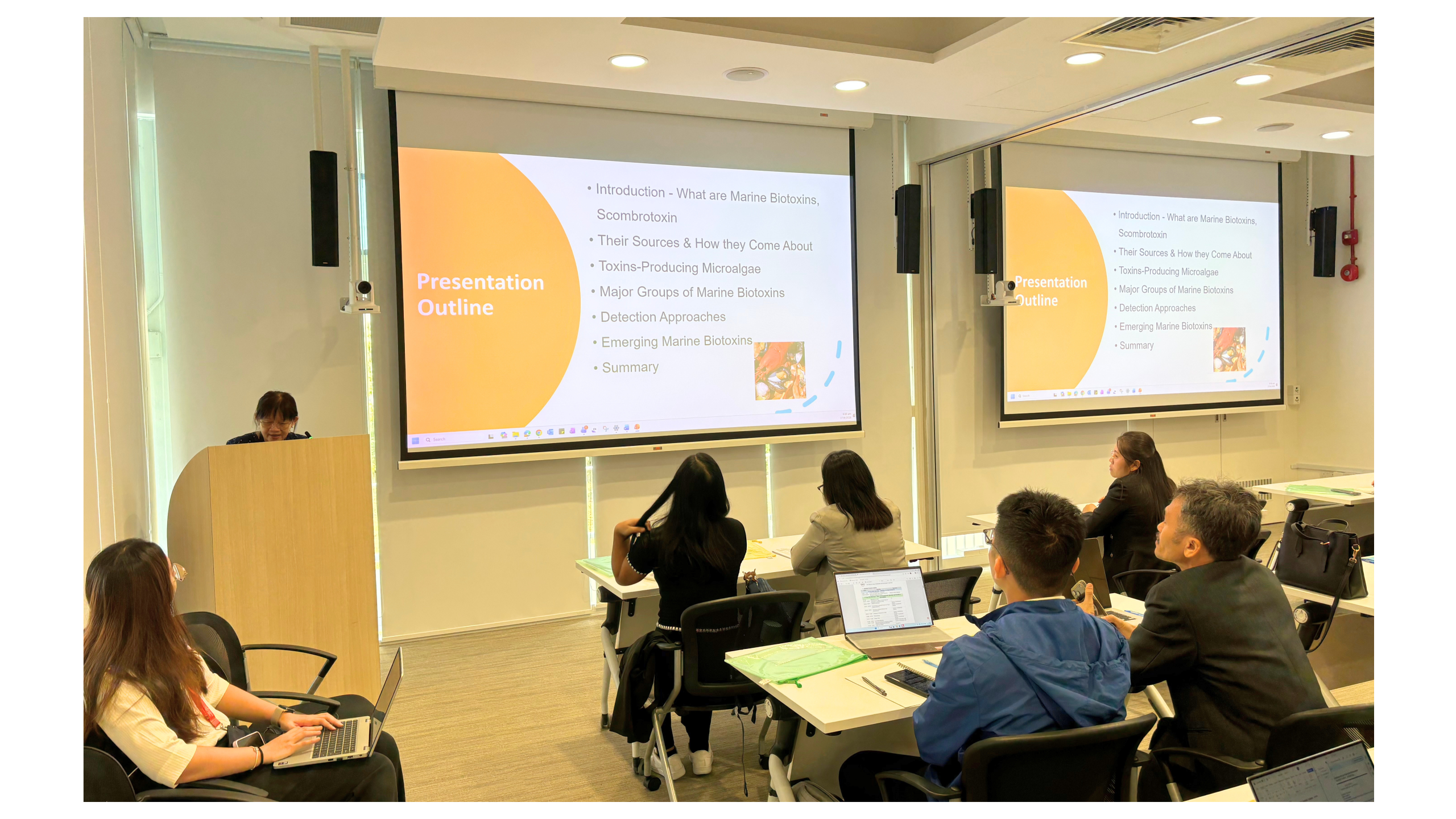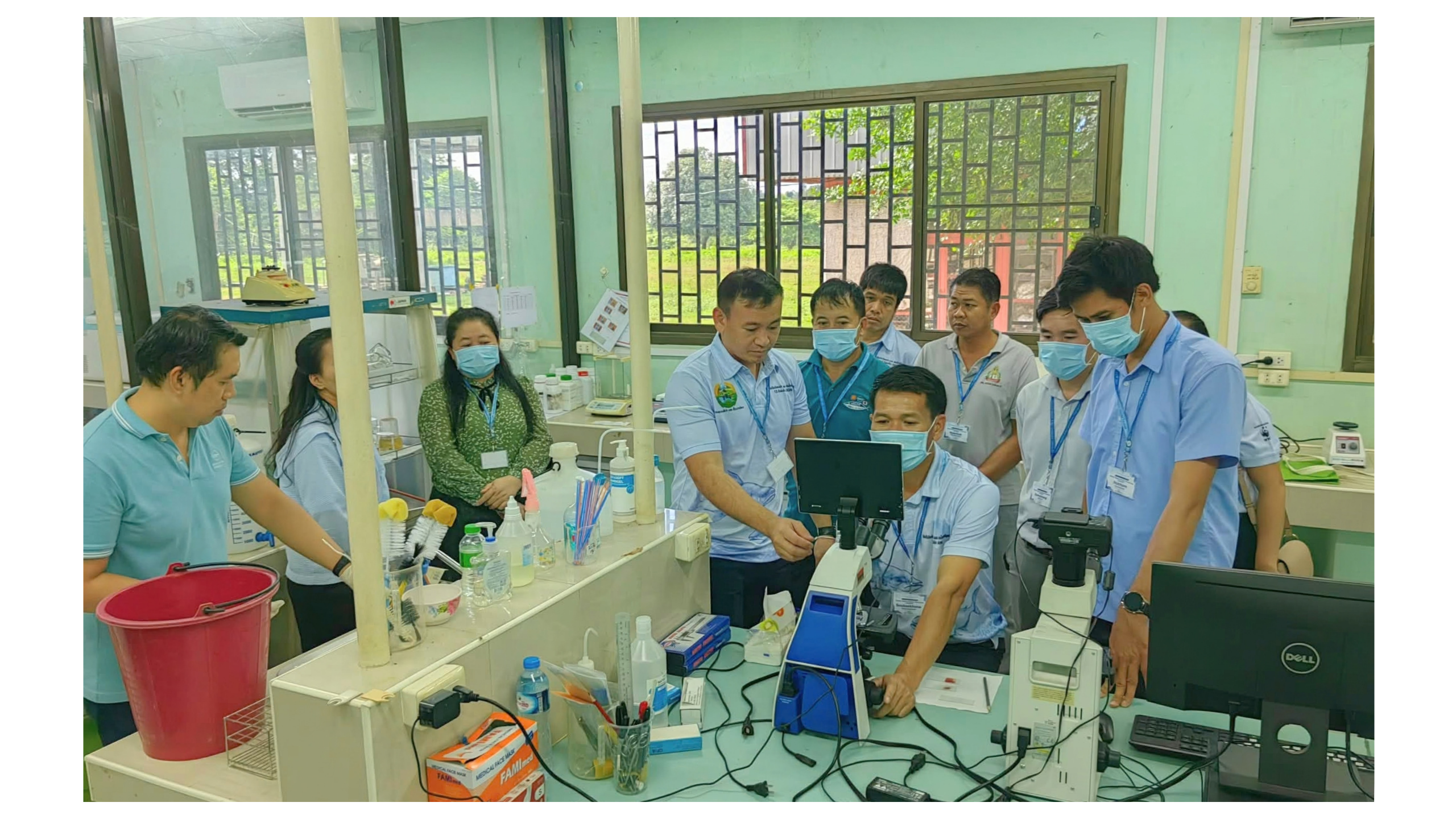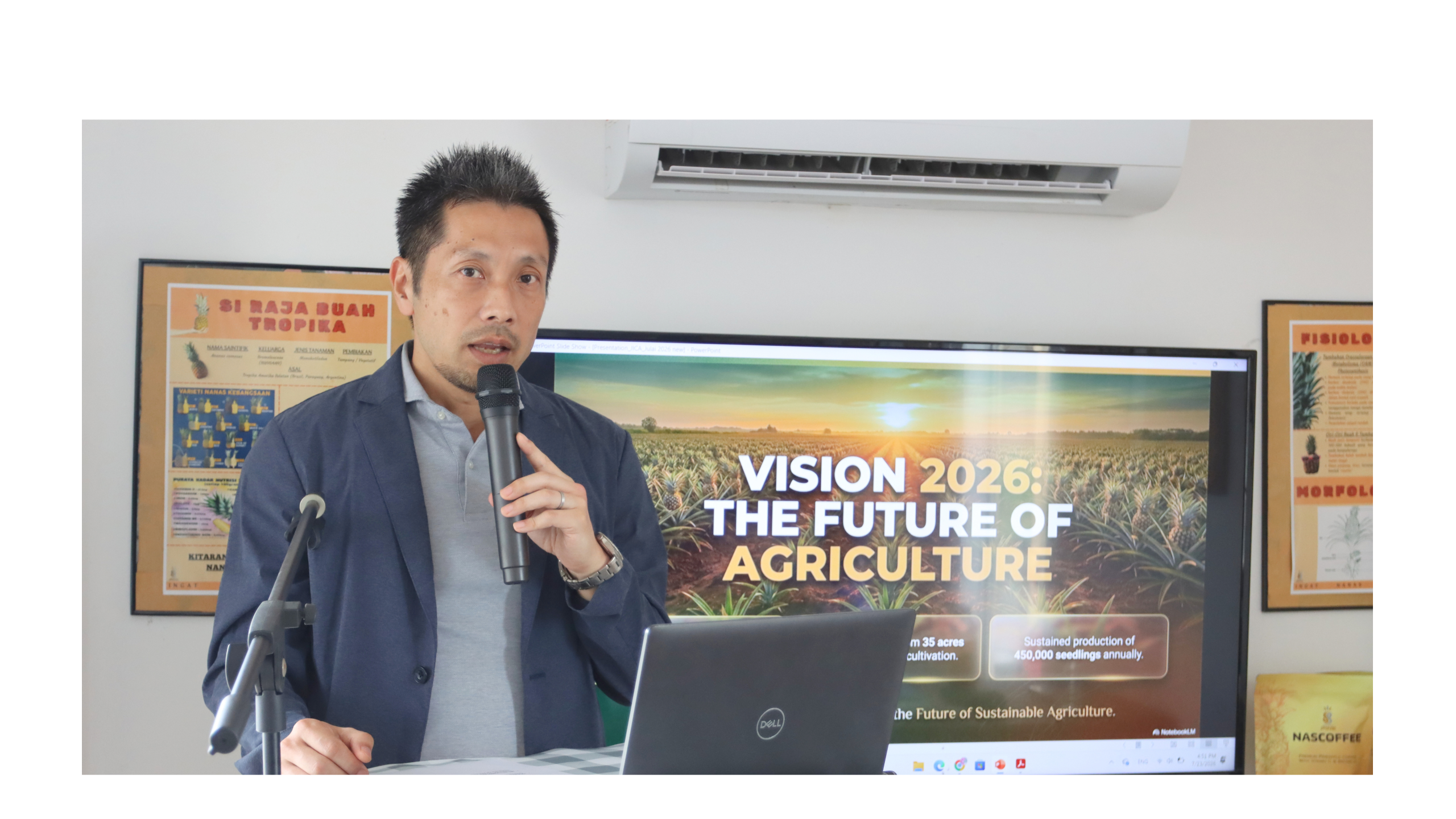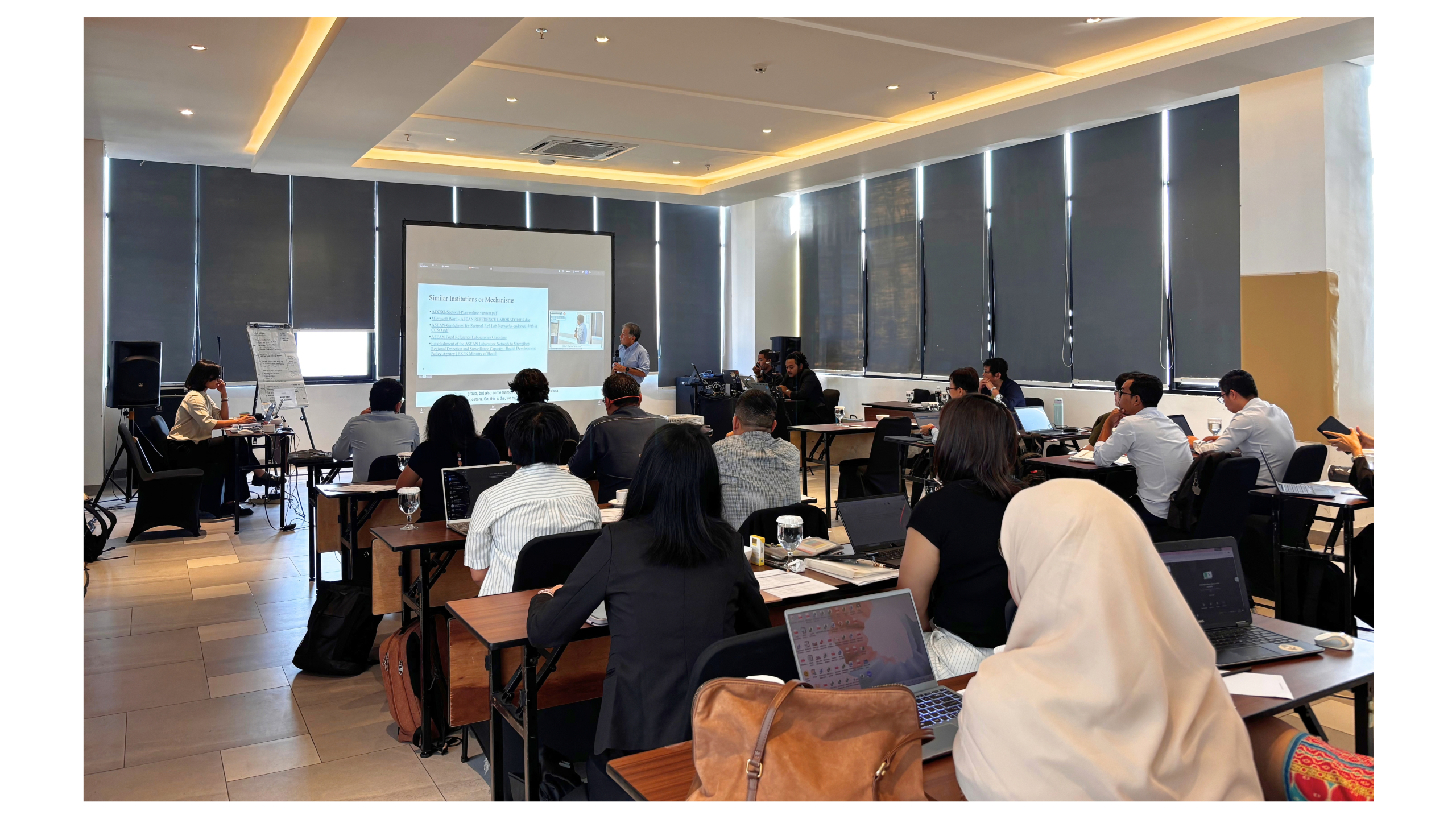
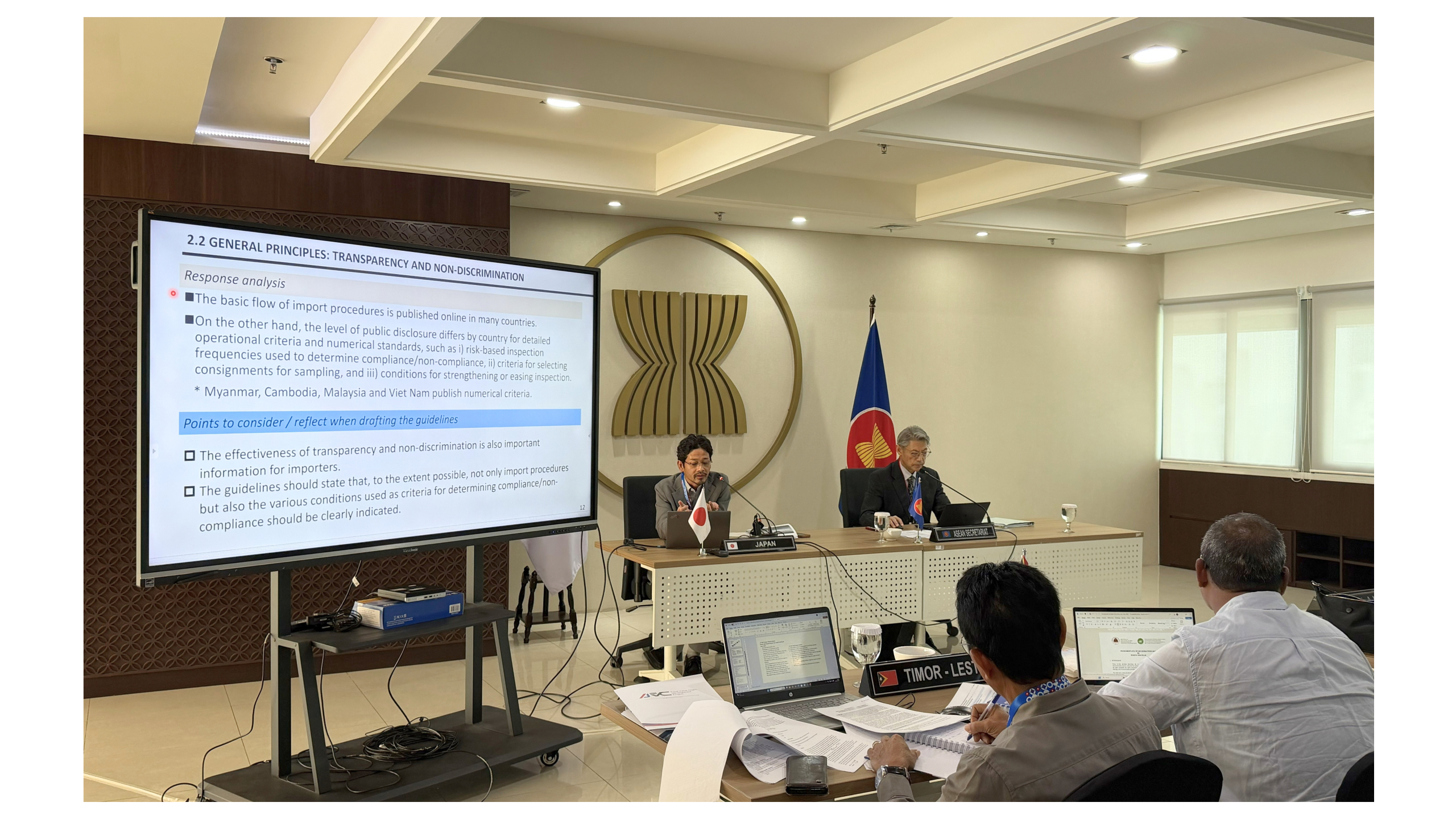
Jakarta, Indonesia — From September 1 to 2, 2026, representatives from the ASEAN Sectoral Working Group on Fisheries and ASEAN Sanitary and Phytosanitary (SPS) Contact Points gathered in Jakarta for a workshop under the ASEAN-JICA Food Value Chain Development Project. The two-day session focused on formulating the ASEAN Guidelines on Inspection for Imported Fish and Fisheries Products, aiming to strengthen food safety and sustainable fisheries development across the ASEAN region through harmonization.
As intra- and extra-regional seafood trade expands, the cross-border movement of fish products continues to rise. This growth brings an urgent need for risk-management frameworks to counter food safety hazards, contamination, and chemical or antimicrobial residues. Currently, institutional arrangements, technical capacities, and operational procedures differ significantly among ASEAN Member States (AMS). These discrepancies affect the consistency of import procedures, ranging from documentary checks and risk-based physical inspections to laboratory testing, decision-making, and cargo release protocols. The new regional guidelines aim to help harmonize these procedures at the ASEAN level by providing a common reference framework that respects national regulations while supporting AMS to improve their domestic inspection practices gradually according to their respective circumstances and capacities.
Led by JICA consultants Ron Ishitani and Endo Taigo, who presented findings from regional questionnaire surveys and field missions on current status and challenges of food safety inspection systems across AMS, together with Japan’s approach in sanitation measures and inspection of imported fish and fishery products as a reference for the development of the reginal guideline.
Building on these insights, participants engaged in group discussions on core technical topics. Participants exchanged views on defining key food safety risks, frequency, and specific test items that require rigorous laboratory testing, considering the inspection capacities of each AMS. They also discussed standardized and practical random sampling methods for imported fish and fishery products, with a focus on ensuring that samples adequately represent a lot while minimizing the risk of missing non-compliant products.
The workshop successfully concluded with further discussion on the proposed structural outline and key contents of the Guideline. The JICA consultant explained the next steps for developing the draft Guideline with a clear timeline, which will be shared with AMS for review and feedback once prepared.