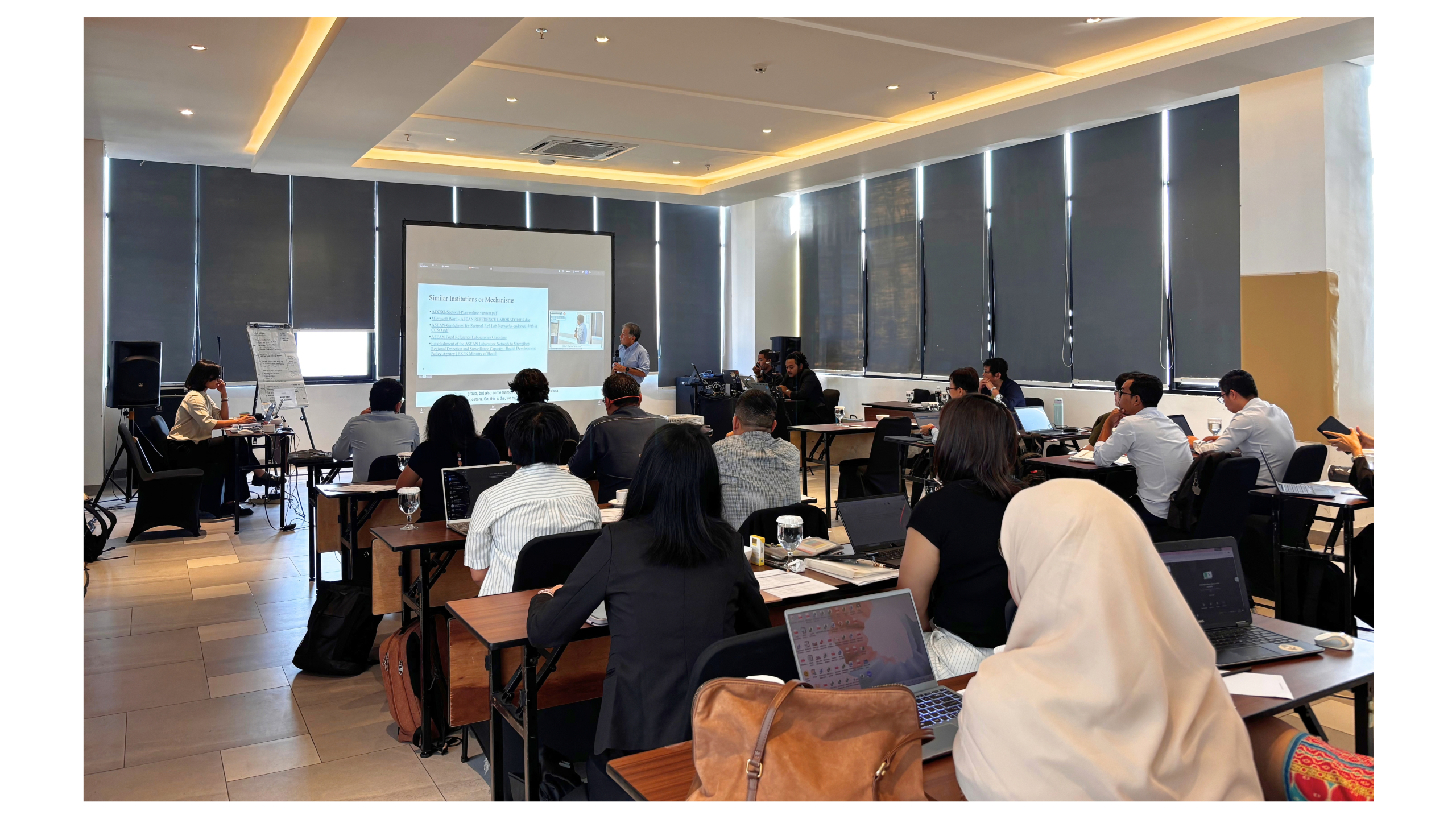
The ASEAN-JICA Food Value Chain Development Project (AJFVC) under Output 4 team conducted a field visit to examine Public-Private Partnership (PPP) models promoting aggregation and value-addition across Indonesia’s agricultural and fisheries sectors. The Ministry of Micro, Small, and Medium Enterprises (MSMEs) of Indonesia is implementing the “Holding UMKM” program to bridge producers with commercial anchor businesses, financial institutions, and international markets. During the field visit, the the team reviewed the mechanisms of these linkages and partnerships.
The program demonstrated how PPP frameworks enhance the competitiveness of smallholder farmers, product traceability, and market integration by addressing systemic fragmentation across local supply chains. Under this framework, medium-scale enterprises function as to structure interventions across four core functional pillars:
- Aggregator (supply consolidation and quality compliance),
- Incubator (technical capacity building and farmer regeneration),
- Marketing (direct connections to domestic anchors and export corridors), and
- Financing (tailored working capital, digital banking, and risk-mitigating insurance).
In Muara Baru, North Jakarta, the AJFVC team assessed the modernization of the local fisheries cluster under the leadership of corporate anchor PT Satya Trinadi Komira Perkasa (KOMIRA). Serving as the value chain integrator, KOMIRA integrated cold-chain logistics and food safety certifications (CPIB and HACCP) across more than 600 fishermen and 160 small-scale fish processors. This coordination enabled the cluster to execute successful export shipments of frozen ribbon fish to international markets. To further safeguard the livelihoods of fishermen and small business owners against climate and operational risks, state-owned insurer PT Askrindo stepped in with micro-insurance solutions alongside Bank BNI’s KUR financing assistance to provide affordable financial options.
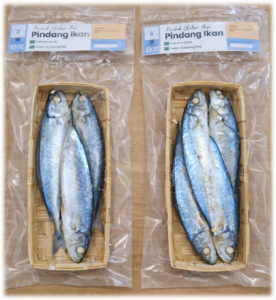
Processed fish products: “Pindang Ikan” (Indonesian salt-boiled fish)
Source: Ministry of Maritime Affairs and Fisheries of Indonesia
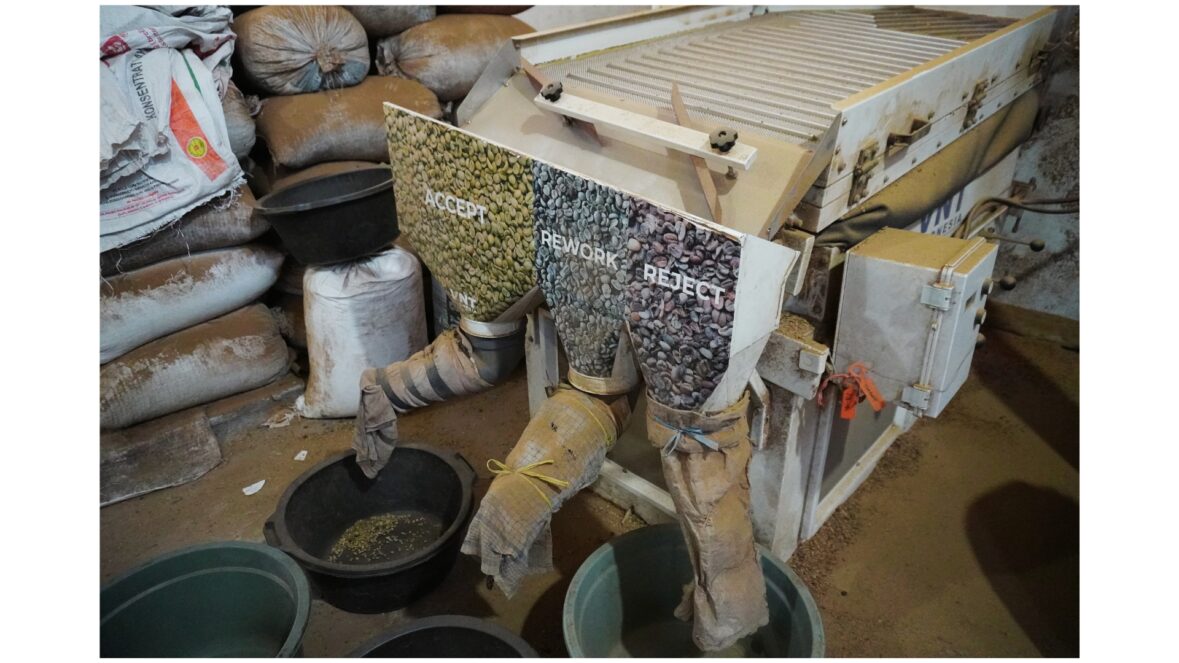
Moving inland to the highlands of Situbondo, East Java, the AJFVC team assessed interventions along the specialty coffee value chain managed by the operator Argopuro Walida. Here, Argopuro Walida equipped local smallholder farmer groups (Kelompok Tani) with solar drying beds and eco-friendly wet-milling stations. By partnering with private exporters, Argopuro Walida has elevated Situbondo’s coffee quality to specialty grades, enabling farmers to receive higher farm-gate prices and faster cash returns after harvest while supplying over 450 domestic cafes as well as export buyers in the United States, Europe, and the Middle East.
Coffee beans undergoing natural-process drying at Argopuro Walida.
Source: AJFVC documentation
The field visit concluded in Bangka Belitung Province, where the AJFVC team examined the Muntok white pepper value chain coordinated by PT Cinquer Agro Nusantara (CAN), the only Indonesian supplier capable of meeting Dutch spice manufacturer Verstegen’s double-wash quality standard, with an annual processing capacity of approximately 400 tons. Since formally establishing a partnership with First Aid Spices Asia / Verstegen in 2017—built on six joint farmer development projects, including a current GIZ-funded consortium initiative—PT CAN has grown to export approximately 16 containers (around 256 tons) of premium White Pepper annually, linking over 1,300 farmers across 1,000 hectares to European markets.
The partnership’s mechanism rewards farmers who implement Verstegen-specified Good Agricultural Practices (GAP) with a price premium above market rates, creating a direct financial incentive for quality and compliance. PT CAN deployed a “Changemaker” system of local field agents conducting farm monitoring, data collection, and trust-building, complemented by barcode-based traceability infrastructure to maintain full supply chain transparency.
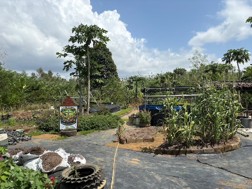
Model farming for sustainable agriculture at CAN.
Source: AJFVC documentation