Iloilo, Philippines – The ASEAN-JICA Food Value Chain Development Project (AJFVC), in collaboration with the Southeast Asian Fisheries Development Center Aquaculture Department (SEAFDEC/AQD), has successfully completed a ten-day training course on Good Aquaculture Practices (GAqP) for extension workers.
The event took place from February 23 to March 4, 2026, at the Tigbauan Main Station, bringing together extension officers from seven ASEAN Member States: Cambodia, Indonesia, Lao PDR, Malaysia, Singapore, Thailand, and the Philippines. The initiative was designed to equip the participants with practical, hands-on expertise, enabling them to translate scientific knowledge into enhanced aquaculture practices across the region.
The success of the industry relies on translating science-based research into practical, field-level impact,” said Dr. Leobert de la Peña, AJFVC Technical Lead and SEAFDEC/AQD Research Division Head, during the opening sessions. He underscored that the effective transfer of science-based knowledge to farming communities is essential for long-term growth.
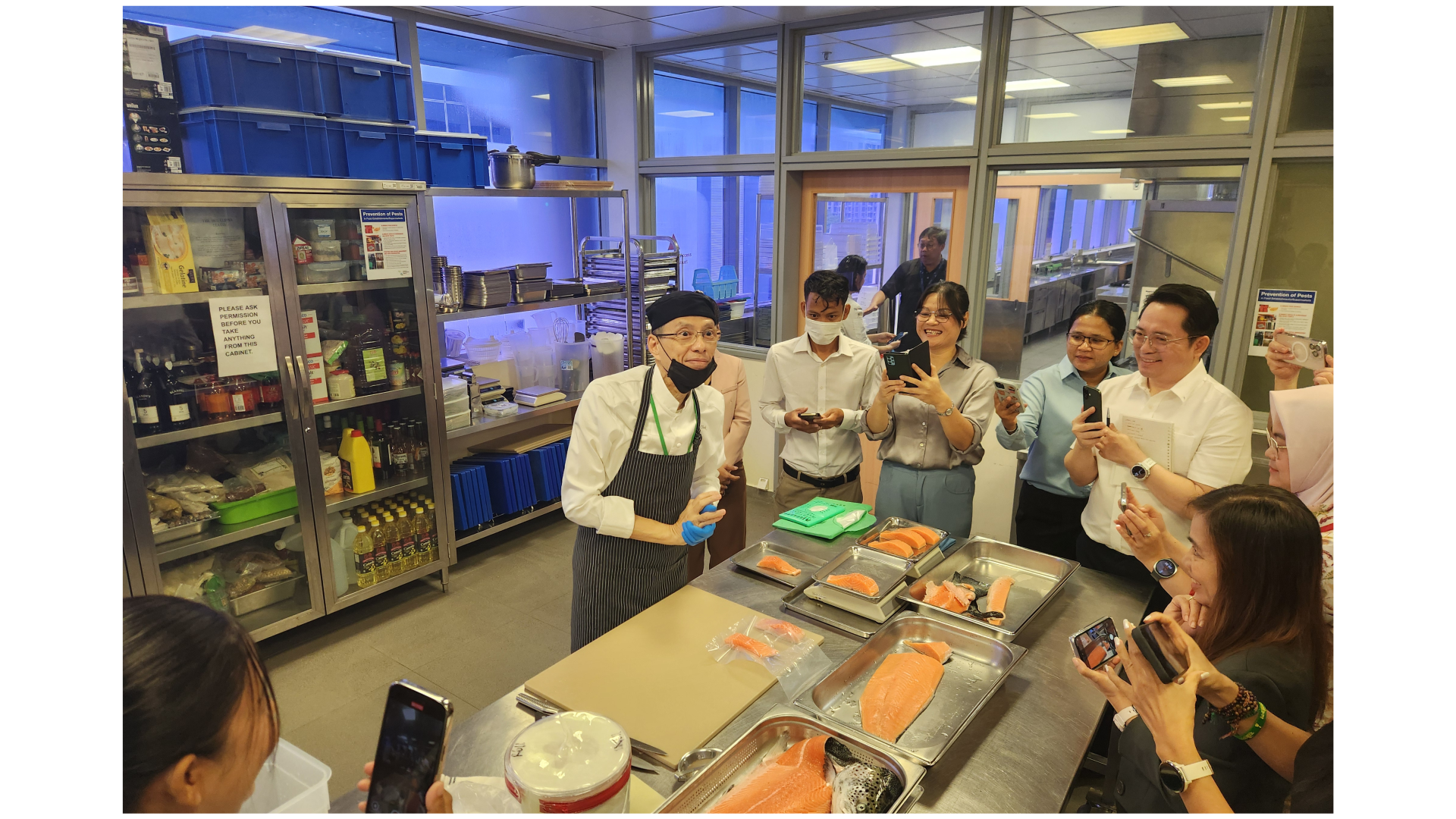
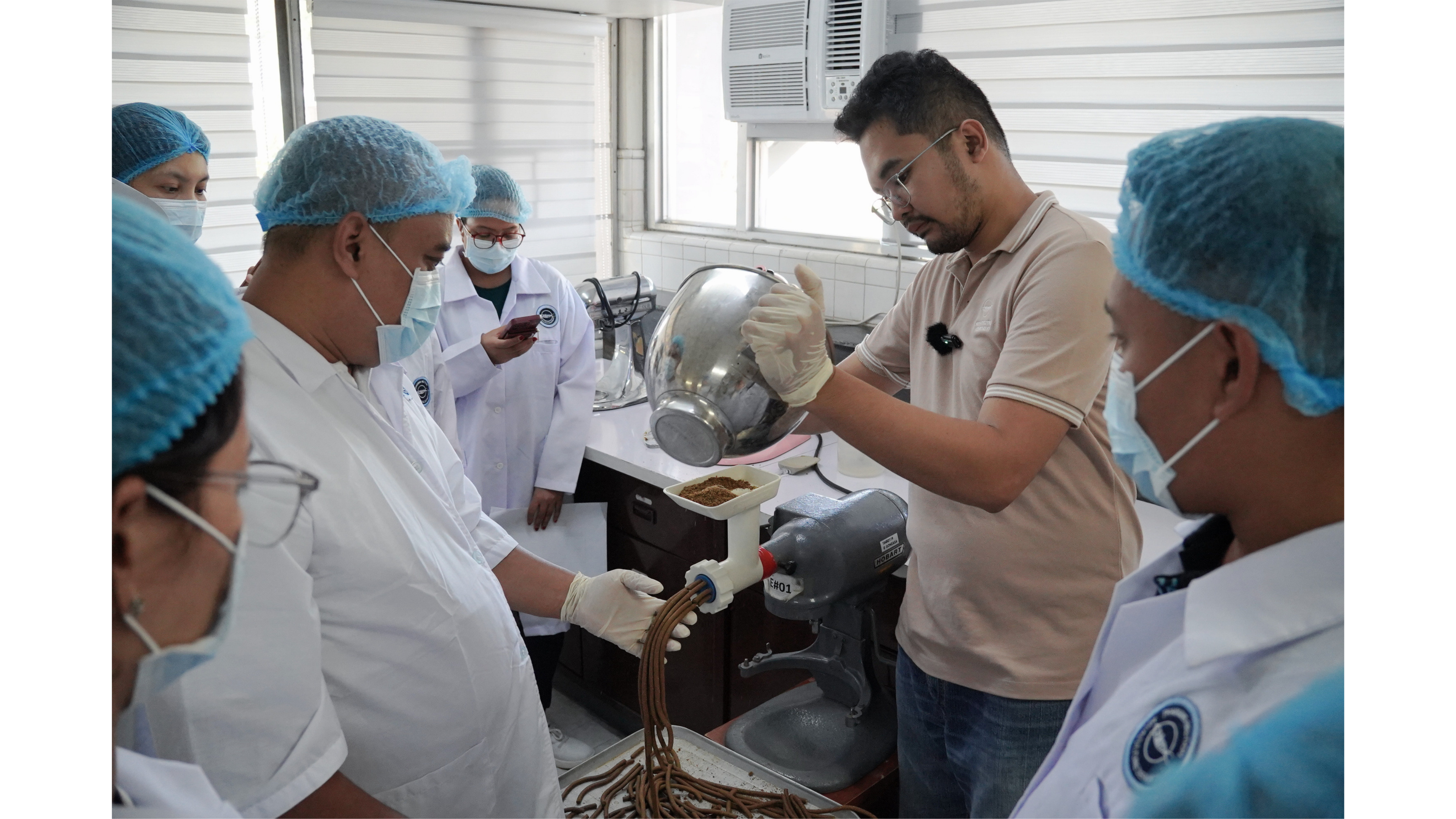
To bridge the gap between theory and industry reality, the curriculum blended comprehensive classroom learning with immersive, hands-on experience. Participants began with detailed country reports on the current status of GAqP implementation across the region, followed by specialized technical lectures and laboratory sessions. These practical exercises included disease diagnosis through juvenile pompano dissection and sending samples, as well as the formulation and preparation of cost-efficient aquaculture feeds. The participants also conducted field visits to a private commercial farm and analytical and diagnostic laboratory in Negros Occidental to witness modern innovations and sustainable practices firsthand.
The training served as a vital platform for regional collaboration. Dr. Michelle Patoc, representing the participants from the Philippines’ Bureau of Fisheries and Aquatic Resources, noted that the program encouraged them to reflect on current systems to become more effective advocates for good aquaculture practices in their respective countries.
During the closing ceremony, Umezaki Michiko, Chief Advisor of the AJFVC, and Dr. Takahiro Sajiki, Deputy Chief of SEAFDEC/AQD, highlighted the program’s role in improving national capacities, emphasized the positive impact of the training ensuring that aquaculture products from Southeast Asia meet international safety and trade standards.
In his message, Dr. Takahiro Sajiki, also emphasized the importance of the GAqP Training Course for participants’ application to challenges and issues such as unstable aquaculture production, the lack of established aquaculture production systems that ensure product safety and environmental sustainability, and insufficient knowledge of aquaculture technologies.
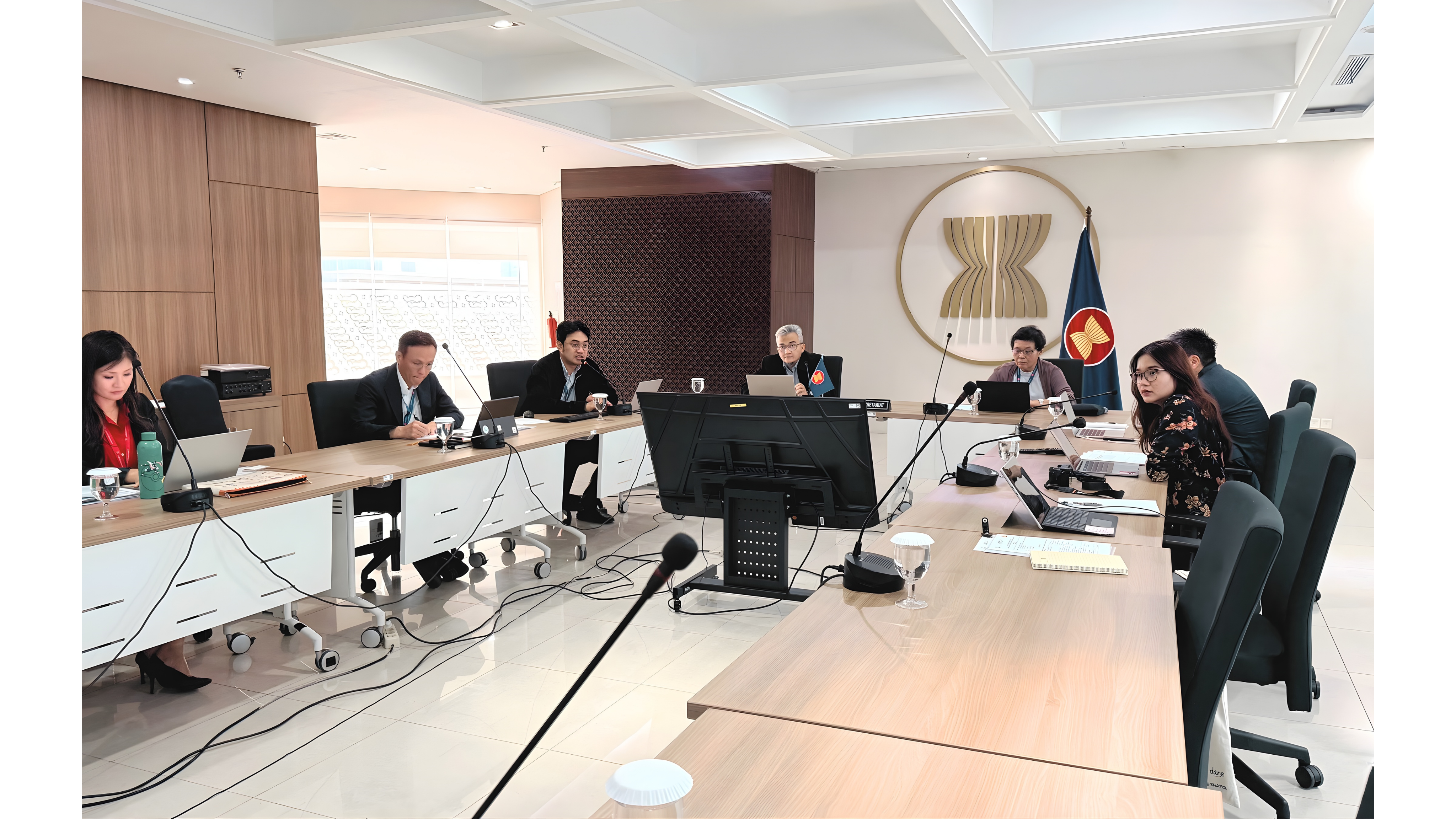
Another message during the closing ceremonies was delivered virtually by Ms. Umezaki Michiko, highlighting that the GAqP training course is an important milestone for AJFVC with a broader impact, increased capacity at the national level, better aquaculture practices, and ultimately safer, higher-quality aquaculture products across the ASEAN region. Additionally, she expressed JICA’s deepest gratitude to SEAFDEC/AQD and all partners for their close collaboration, commitment, and cooperation, which are highly valued and essential to the success of this regional initiative.
Formally closing the event, Dr. Edgar Amar, Head of the Training and Information Division at SEAFDEC/AQD, issued a call to action. He challenged the officers to immediately implement new strategies in biosecurity and record-keeping, noting that these responsible practices are essential for protecting natural resources. While, the Department Chief, Mr. Dan D. Baliao, hoped that the participants would help foster a more resilient and responsible aquaculture development in the region.
This initiative is recognized as a significant step forward for the AJFVC in improving regional capabilities and ensuring a safer, more sustainable food value chain across the ASEAN region.