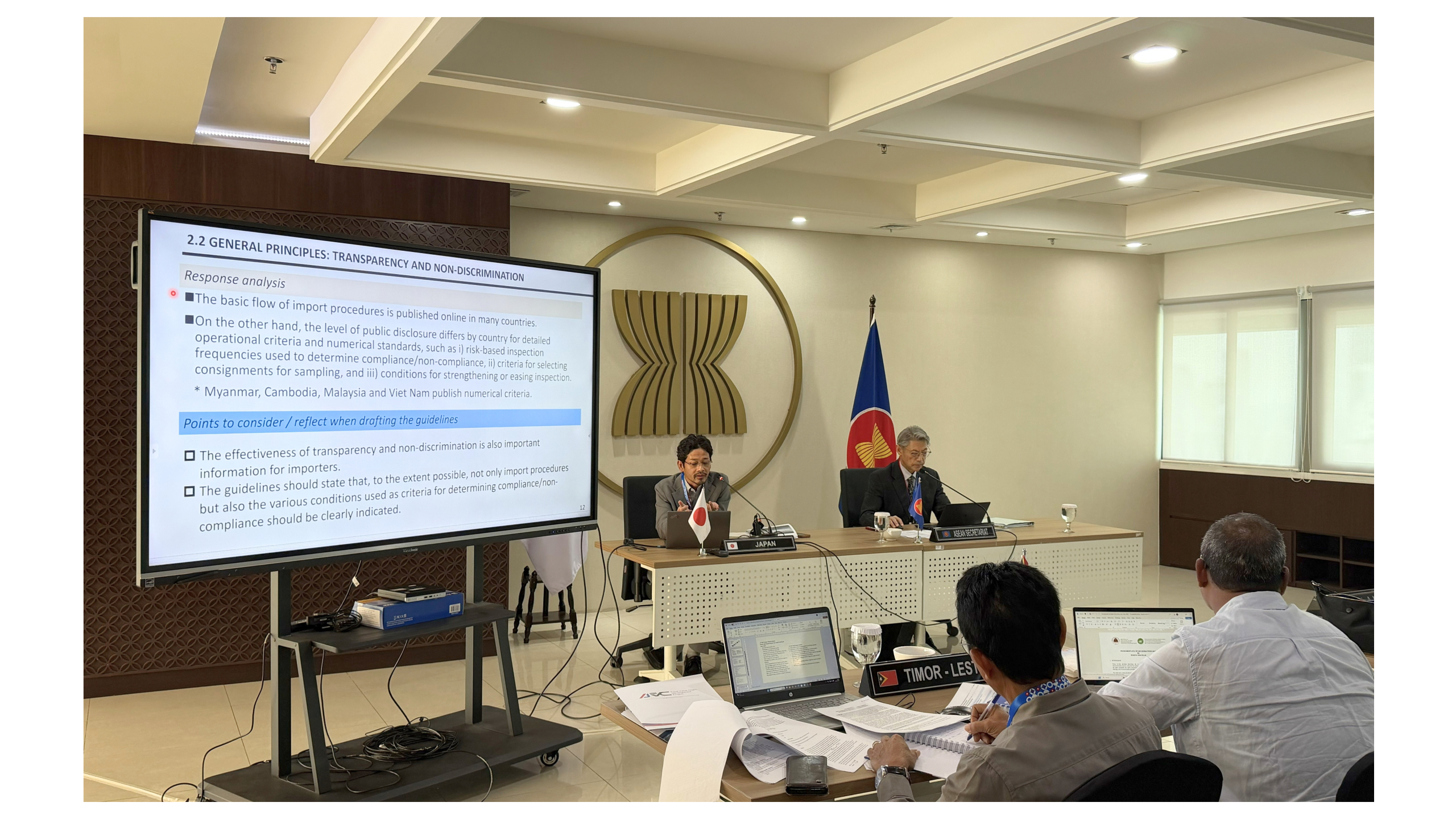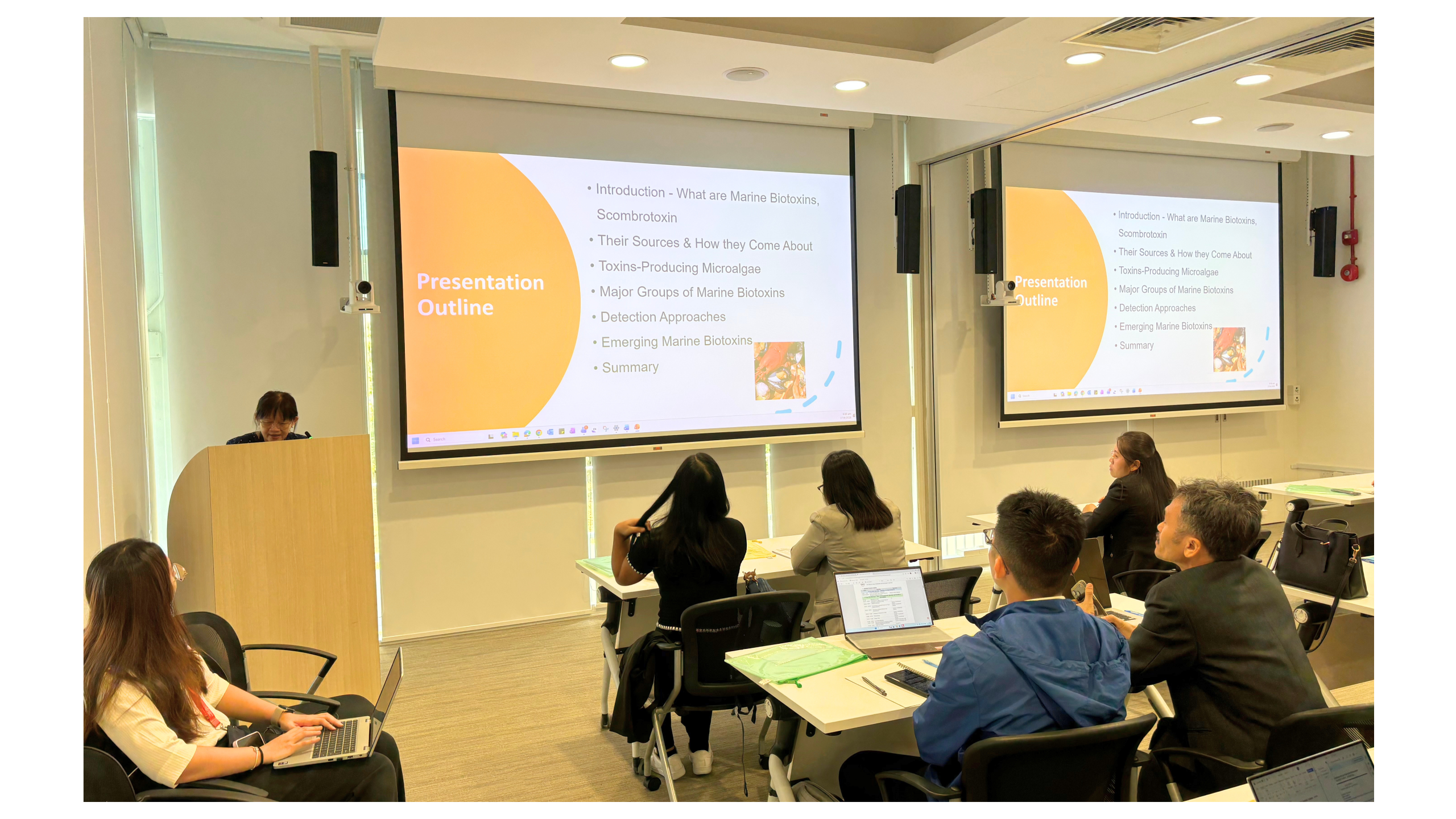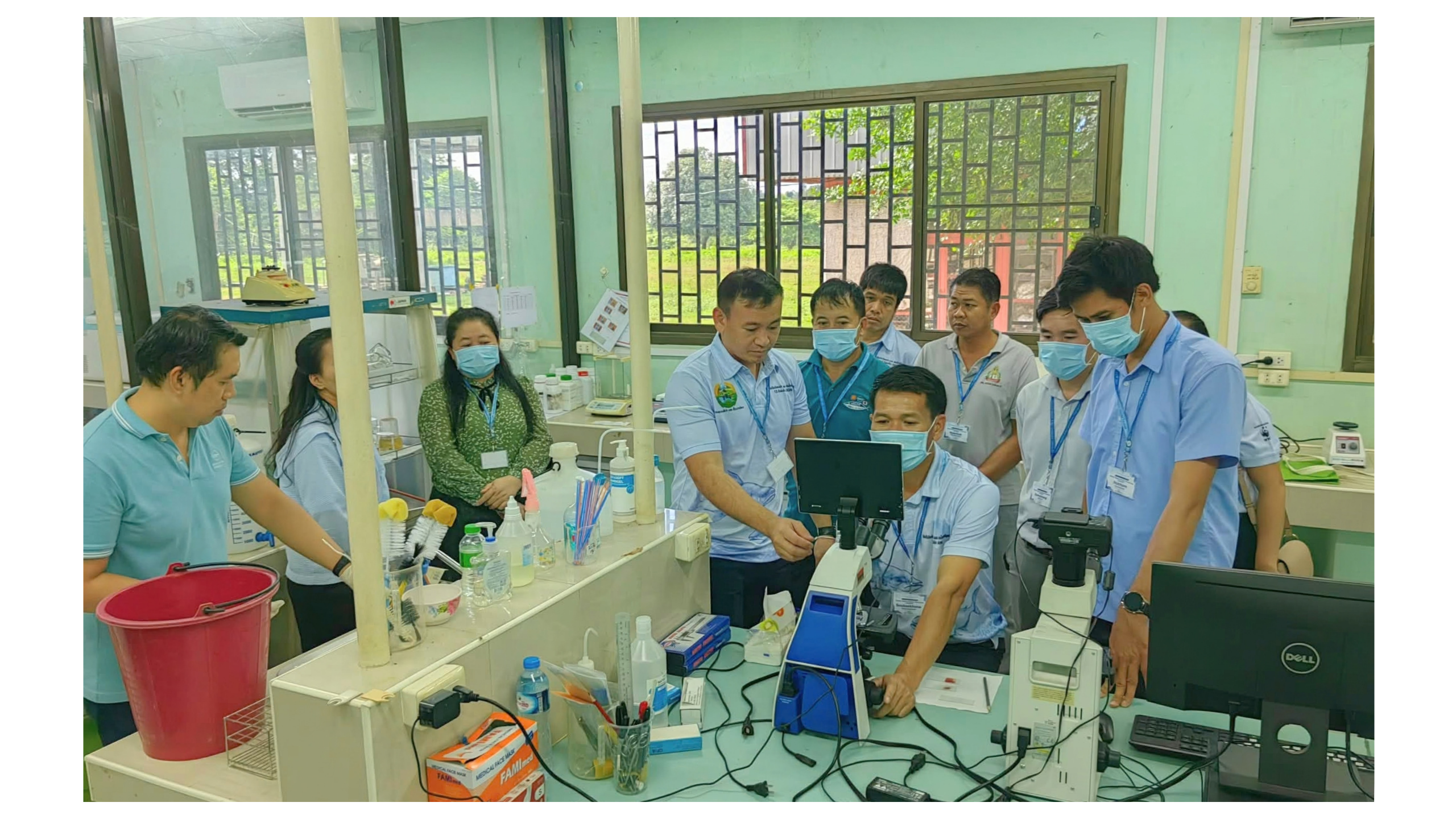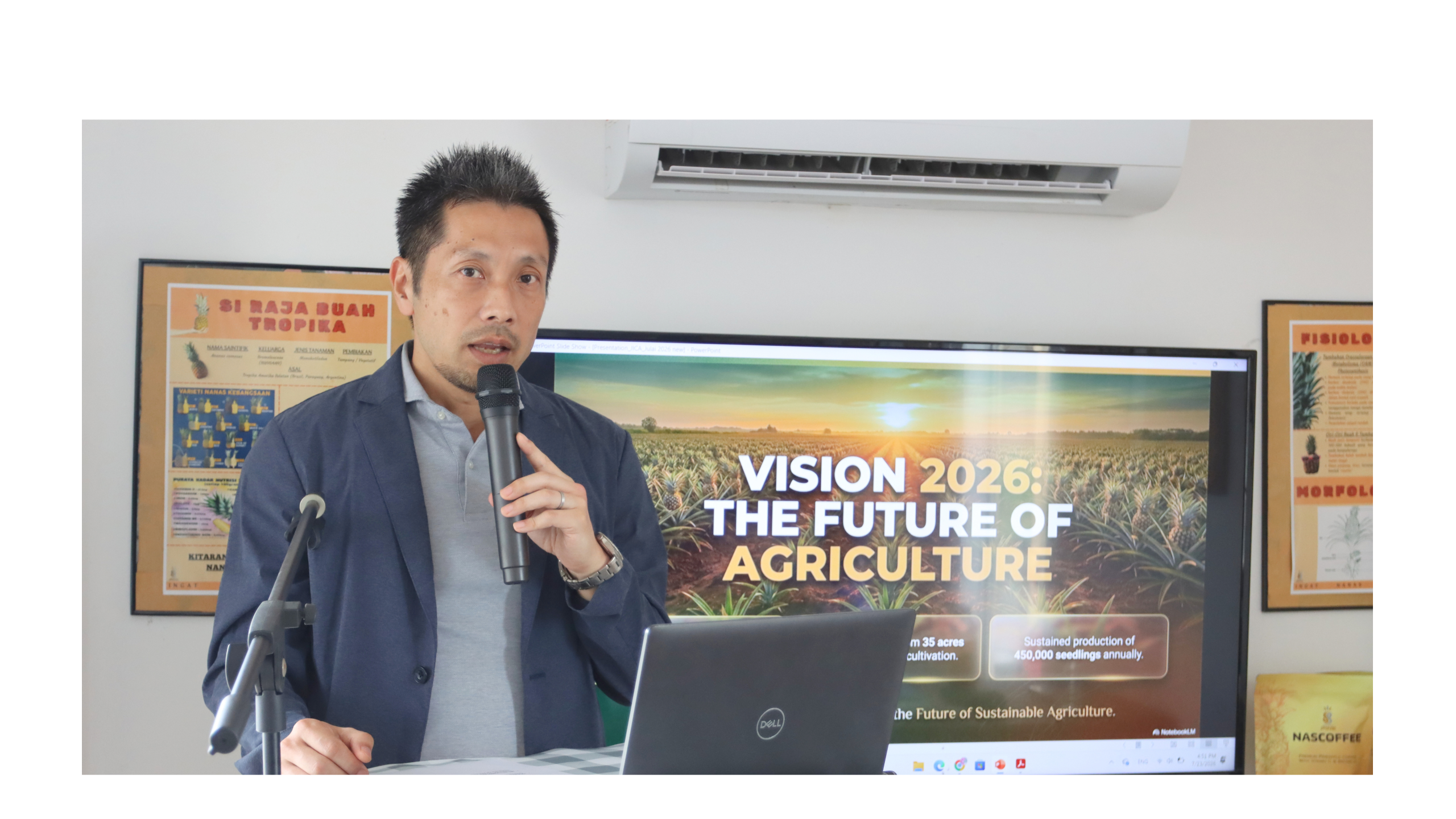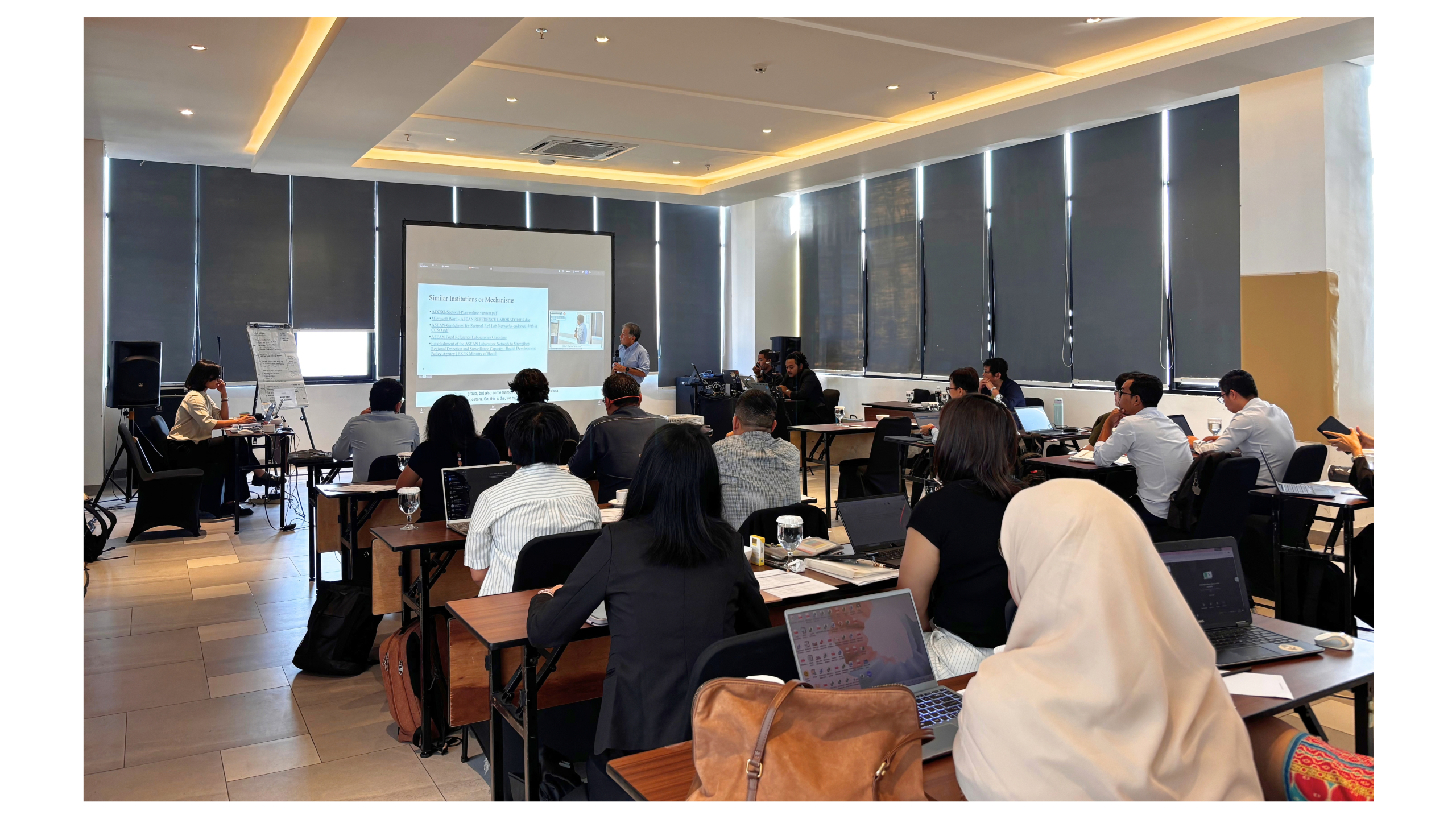
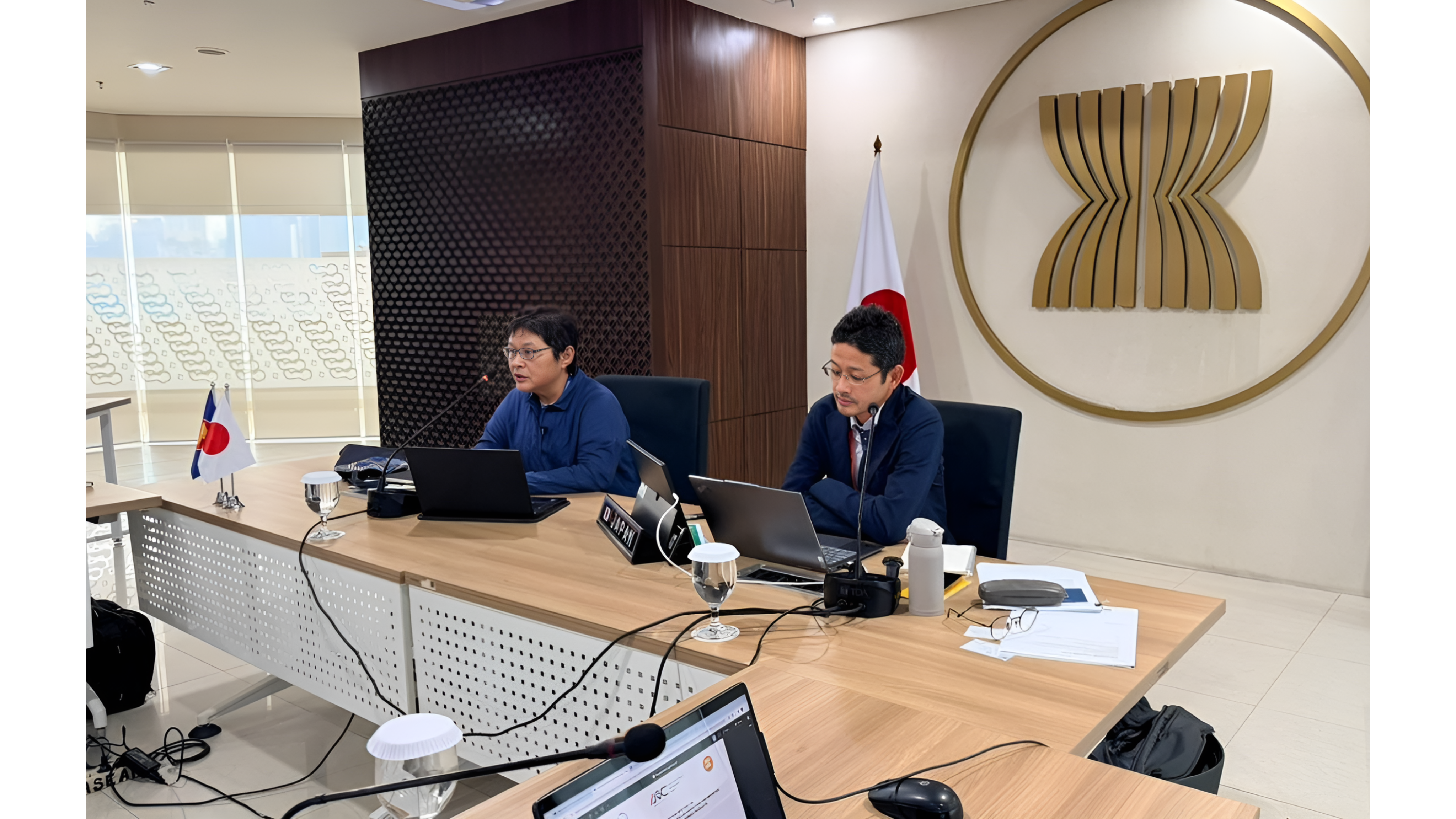
The Inception Meeting for Activity 3.3—”Development of Guidelines for Inspection of Imported Aquaculture Fish and Fisheries Products”—under the ASEAN-JICA Food Value Chain Development Project (AJFVC) was held on 28 April 2026 via video conference. The activity aims to establish practical and effective inspection guidelines for imported aquaculture fish and fisheries products, marking a significant step towards strengthening food safety and sustainable fisheries development across the ASEAN region through harmonisation.
Recognizing aquaculture as a key economic driver in ASEAN Member States (AMSs), this initiative emphasized the urgent need to establish clear and consistent inspection guidelines for aquaculture and fisheries products imported within the region. Such efforts are essential to ensure food safety, facilitate trade, and support the implementation of Good Aquaculture Practices (GAqP).
The meeting brought together key representatives from the ASEAN Sectoral Working Group on Fisheries (ASWGFi), the ASEAN Sanitary and Phytosanitary Contact Points (ASCP), the ASEAN Secretariat, and JICA overseas offices within the ASEAN region. While ASWGFi provides technical expertise on fisheries and aquaculture, ASCP play a critical role in sanitary and phytosanitary (SPS) measures, including border inspection, risk assessment, and regulatory compliance. Their joint participation is essential for developing comprehensive guidelines that cover the inspection processes from documentation checks, risk profiling, laboratory testing, and border control at various entry points along the supply chain.
Chaired by Dr. Joseph Arbiol from the ASEAN Secretariat’s Food, Agriculture, and Forestry Division (FAFD), he emphasized the critical importance of developing harmonized guidelines that would apply common principles and procedures across AMSs in the fisheries sector to ensure sustainability and food safety throughout the region.
In his opening remarks, JICA representative Hashimoto Yohei emphasized the importance of collaborative efforts among AMSs and relevant stakeholders to develop practical and effective inspection guidelines to enhance regional coherence, reduce trade barriers, and ensure a high level of food safety. He noted that these guidelines would also complement ongoing efforts to promote GAqP in the region.
The meeting featured insights from Ron Ishitani, a JICA consultant from Overseas Agri-Fisheries Consultants (OAFIC), who presented the overall scope of the activity and outlined the contents of the forthcoming guidelines. He shared detailed proposed data collection methodologies including questionnaire surveys, which will gather information from AMSs and aim at developing standardized inspection practices.